
Wireless Temperature Mapping
Qualification & Mapping Services
Professional temperature mapping and qualification services for warehouses, freezers, vehicles, and controlled environments. Compliant mapping reports with sensor placement recommendations.
All Temperature Mapping Offerings

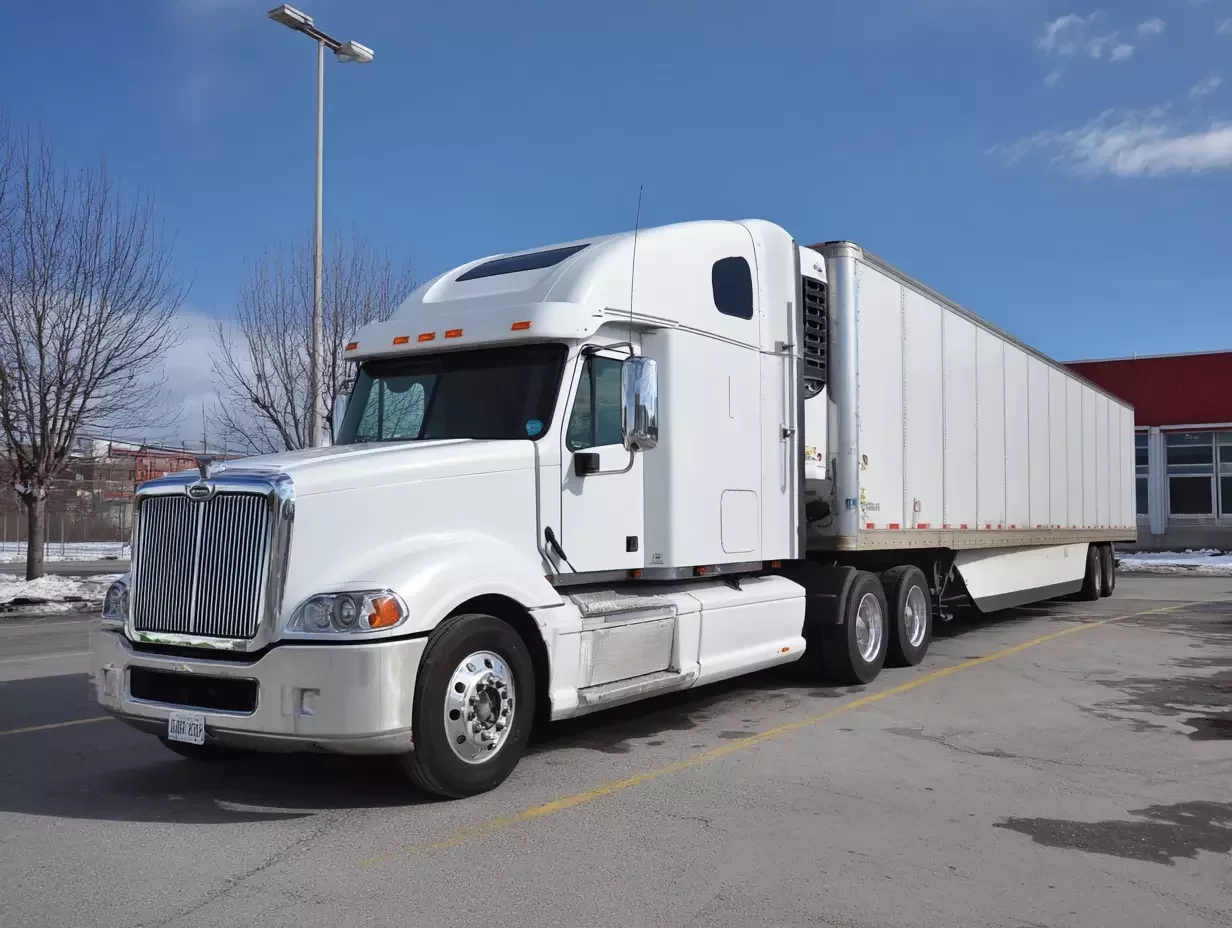
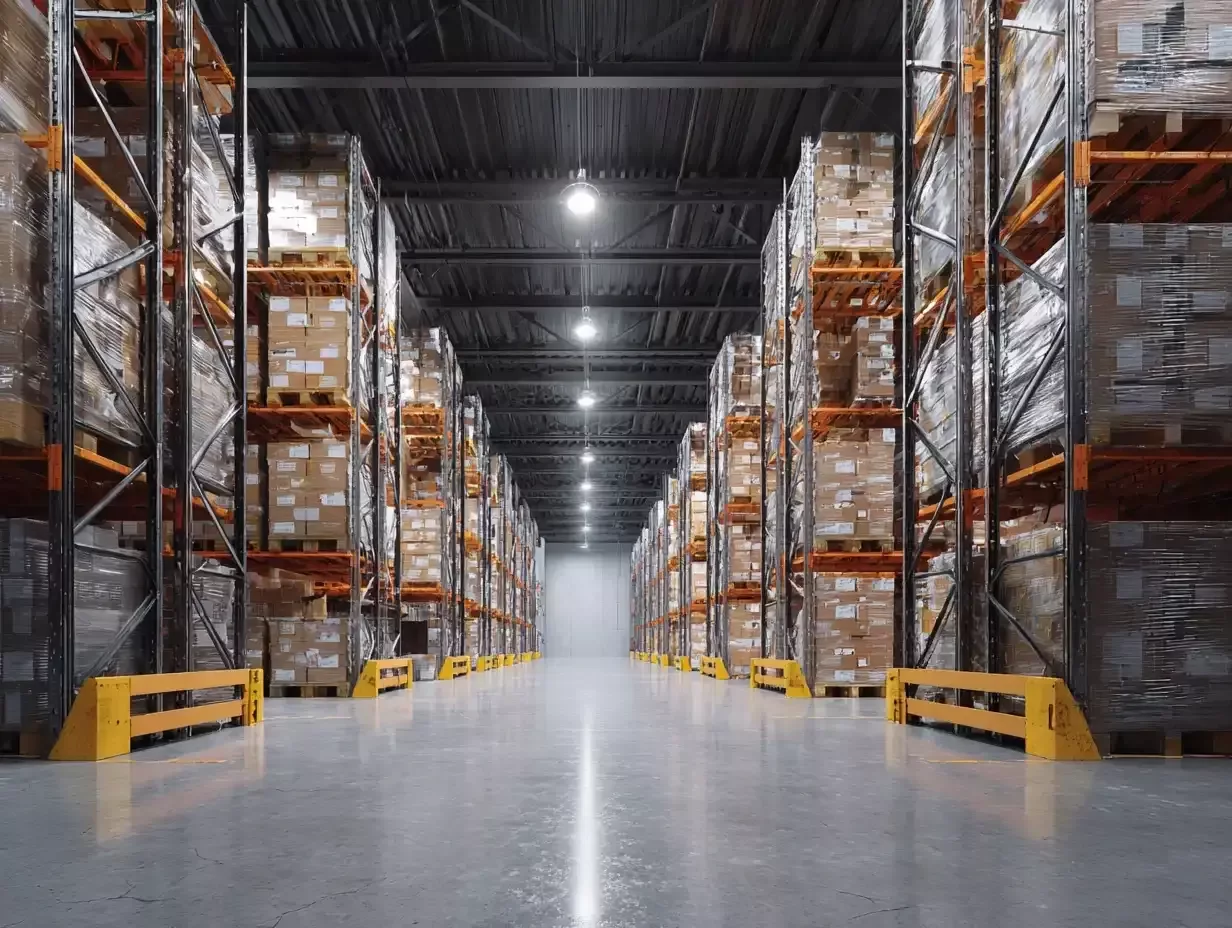
Included & Add-on Capabilities
Included Standard Features
Mapping Equipment Kit
Temporary sensor deployment for mapping
Data Collection & Analysis
Professional data analysis
Sensor Placement Recommendations
Optimal permanent sensor locations
Optional Add-ons
Compliance Gap Analysis
Regulatory compliance assessment
The Mapping Process
Plan & Deploy
Deploy temporary wireless mapping sensors across the space per a defined grid plan, covering all critical zones.
Collect Data
Record temperature data continuously over the mapping period (typically 24–72h) under normal and worst-case load conditions.
Analyze
Professional analysis identifies hot/cold spots, temperature gradients, and distribution patterns across the mapped environment.
Report & Recommend
Deliver a compliant mapping report with data analysis, visual heat maps, and permanent sensor placement recommendations.
Frequently Asked Questions
Temperature mapping (also called thermal mapping or temperature qualification) is a structured measurement process that records temperature distribution across a storage space or vehicle over time. It identifies hot spots, cold spots, and seasonal variations, and ensures conditions meet regulatory requirements such as GDP, GMP, WHO guidelines, and EN12830.
Mapping is required before commissioning new cold storage or refrigerated vehicles, after significant facility changes (HVAC modifications, relocation), seasonally for annual qualification, and whenever a regulatory audit or certification demands it. GDP guidelines explicitly call for documented temperature mapping of all controlled storage areas.
Seemoto maps warehouses, cold rooms, ultra-low freezers (-80°C), refrigerated vehicles, cleanrooms, and any controlled environment requiring temperature qualification for pharmaceutical, food, or laboratory use.
The number of sensors depends on the size and geometry of the space. Seemoto's team defines the measurement grid according to WHO and GDP guidelines, ensuring sufficient spatial resolution to detect any temperature non-uniformity.
Yes. Every mapping study includes a professional compliance report with raw data, statistical analysis, heat maps, MKT (mean kinetic temperature) calculations where required, sensor placement recommendations, and a signed qualification summary for GDP and GMP regulatory submissions.
Yes. This is one of the primary outputs of a mapping study. The data analysis identifies the warmest and coolest representative locations in the space, which are then recommended as permanent monitoring sensor positions for ongoing GDP/GMP compliance.
Related guides & resources
Practical, vendor-neutral guides related to wireless temperature mapping and the compliance behind it.
Temperature Mapping: A Practical Guide for Warehouses, Cold Rooms & Vehicles
What temperature mapping is, when it's required, and what a compliant…
Read guide →GDP Warehouse Compliance: A Step-by-Step Guide
Building blocks of a GDP-compliant warehouse: mapping, monitoring,…
Read guide →Managing Temperature Excursions: A Decision Framework
A step-by-step framework for a temperature excursion: detect, contain,…
Read guide →Get Started with Temperature Mapping
Contact our team to schedule a temperature mapping study for your warehouse, cold room, vehicle fleet, or cleanroom environment.