
Multi-zone Warehouse Monitoring
Warehouse Monitoring
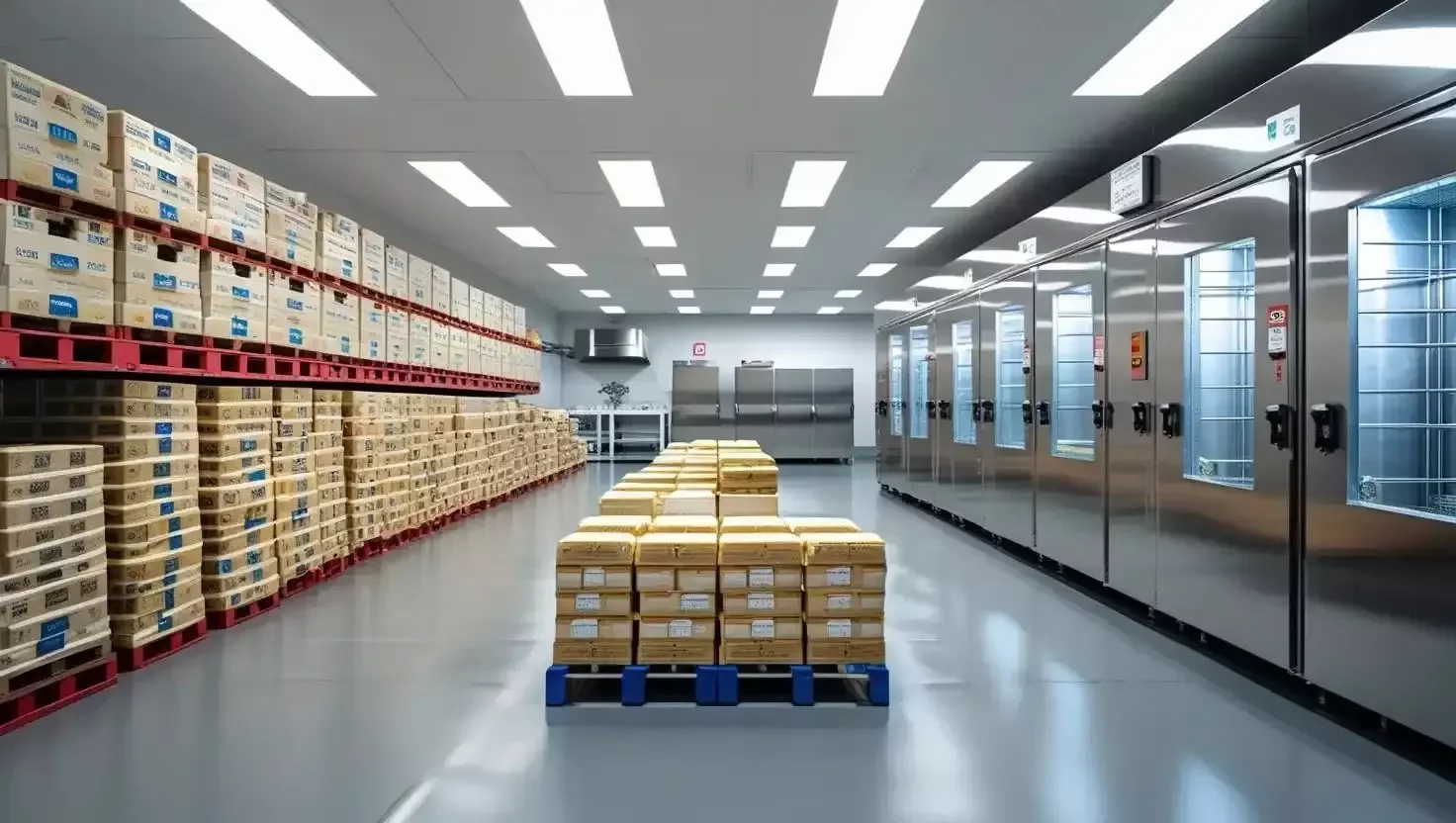
Scalable monitoring for large facilities with multiple temperature zones. Zoned architecture supports shelf-level monitoring, zone-level dashboards, configurable alert thresholds per zone, and centralized management across the entire warehouse footprint.
Shelf-Level Zone Architecture
Large warehouses with dozens of distinct temperature areas — including ambient aisles, refrigerated sections, and specialist zones for controlled substances or biologics — create monitoring complexity that single-zone systems cannot handle without sprawling configuration overhead. Seemoto's zoned architecture allows each physical area to have independent rules while remaining part of a single managed platform.
How it's deployed
Sensors can be deployed at shelf level within each zone, providing granular spatial data rather than a single ambient reading per room. Zone-level dashboards give section managers a focused view of their area, while facility managers access a centralized overview with configurable alert thresholds set independently per zone — so a 2°C drift in a controlled ambient aisle triggers differently than the same drift in a bulk dry goods section.
Evidence & Reporting
Zone-level compliance reports are generated independently, allowing separate documentation to be produced for areas governed by different standards — for example, GDP documentation for a pharma zone alongside HACCP records for an adjacent food zone in the same facility. Centralized audit export combines all zone records into a single submission package when required for multi-standard site certifications.
Included and Optional Capabilities
Included
- Temperature/Humidity/Pressure Monitoring
T/RH/P monitoring with TS, THS, THPS sensors
- Audit-ready Records
Compliance documentation and reporting
Optional add-ons
- Shelf-level Monitoring
Rack and shelf-level sensor deployment
- Temperature Mapping
Seasonal qualification mapping
- Cross-site Dashboards
Multi-site visibility and alerting
Related Warehouse Monitoring Offerings

Frequently Asked Questions
The platform is designed to scale to hundreds of zones within a single site, with hierarchical grouping by building, floor, and zone to keep the interface navigable. There is no hard zone limit, and large installations are typically structured with zone-owner roles to distribute alert management responsibility.
Zone definitions are logical and can be updated to reflect physical rearrangements; historical data remains associated with the original zone definition for compliance continuity. A zone change event is logged with a timestamp so audit reviewers can see exactly when the configuration was modified.
Yes. Individual sensor positions within a zone can carry their own alert thresholds in addition to the zone-level defaults. This lets you apply tighter monitoring to high-risk positions without generating excessive alerts from sensors in more stable parts of the same zone.
Plan Multi-zone Warehouse Monitoring
Talk with Seemoto about the sensor, gateway, reporting, and compliance setup for multi-zone warehouse monitoring.